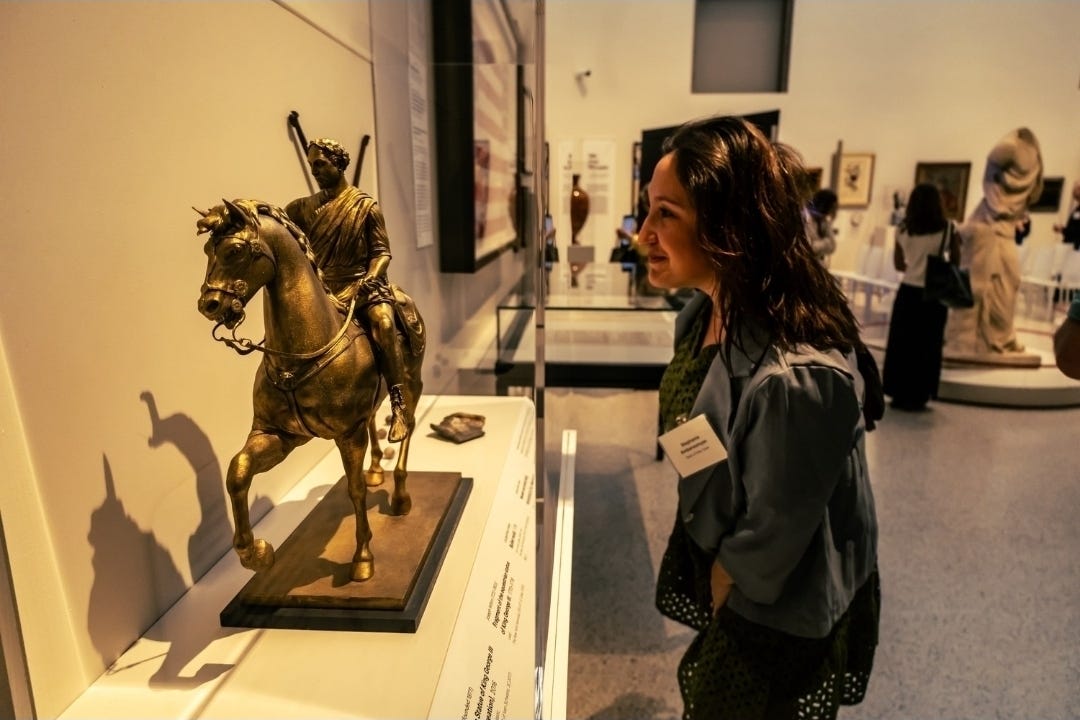
Good evening, Wantons,
I thought I’d send you a little letter so you can get to know the woman behind this account. So we can get to know each other a little more intimately.
I’ve been enthralled by stories, and especially stories from history, for my entire life. And for most of that life, I was a pretty good public speaker. Truth be told, it was a real talent of mine.
Then, somewhere along the way, a strange chicken-or-egg situation started happening.
I began getting horrendous migraines. Except, for years, I didn’t know I was having migraines at all. I only knew that I would suddenly see flashes of color. I’d lose vision in one eye for up to a week. I’d feel dizzy and off balance. Once, I was rushed out of work after I lost the ability to feel or use the entire left side of my body.
All of it, I eventually learned, was migraine syndrome.
And somewhere in the midst of all that, speaking stopped coming as easily to me.
I’m not as articulate as I used to be. Sometimes I am, on a particularly good day, or when I’m teaching and something in my brain clicks into place. But there are other times when I’ve just read some fascinating story from history and I’m dying to tell someone about it, only to find myself completely at a loss for words.
I forget facts I know I know. The exact word I’m looking for floats somewhere in the ether above me, and I can’t quite reach up, grab it, and put it into a cohesive sentence.
I have dreams of sitting on panels and discussing history brilliantly. Then I’ll have an actual conversation with someone and think, My God, I sound like I have absolutely no idea what I’m talking about.
So, I write.
I mean, I’ve always written. I’ve always loved writing. But I particularly love it now.
Writing gives me time.
I can pour my thoughts onto a page in whatever disorganized form they arrive. I can move them around. I can reread them. I can stop and think. I can find the fact I forgot and the word that escaped me. I can make sure that what ends up on the page actually says what I meant to say.
And recently, I went back to graduate school for my Master’s in history. It’ll be my second Master’s degree, and I’m doing it for the least practical reason imaginable: I simply love the subject.
Around this time last year, I was taking my first course.
I barely spoke.
As much as I loved history, everyone around me seemed to possess this deep, nuanced knowledge base that I lacked. They could articulate ideas on the spot that I needed time to sit with. I would listen to them speak and wonder whether I had completely misjudged myself.
I seriously questioned whether I had made a mistake.
I’m grateful for the professors who let me confide that in them, and who encouraged me to keep going anyway.
A year later, I’m studying the required texts until my eyes bleed. I’m scribbling notes in margins, looking things up, rereading passages, arguing with dead people in my head.
And then, recently, this semester, I raised my hand.
I knew what I wanted to say.
And I said it confidently.
I cannot begin to tell you how good that felt.
I’ve since met with the former graduate advisor, and we’re talking about the possibility of an independent study on the Culper Spy Ring: research, reading, and writing, but also a public-history component that would allow me to think about how we take history out of academic spaces and bring it to people.
For the first time in my history career, I feel like I belong here.
I don’t tell you all of this because I want to present myself as an expert. Quite the opposite.
My heart is in the right place. My pen is ready. My ears are open.
And I’m excited to share everything I learn with you, not as someone standing at a podium claiming to have all the answers, but as a humble and eager student who happens to get irrationally excited, and occasionally a little giggly, when she discovers a particularly good piece of historical gossip.
Maybe that’s what Wanton Republic is, really.
A place for me to learn out loud.
And a place for all of us to lean in a little closer when history starts whispering something good.
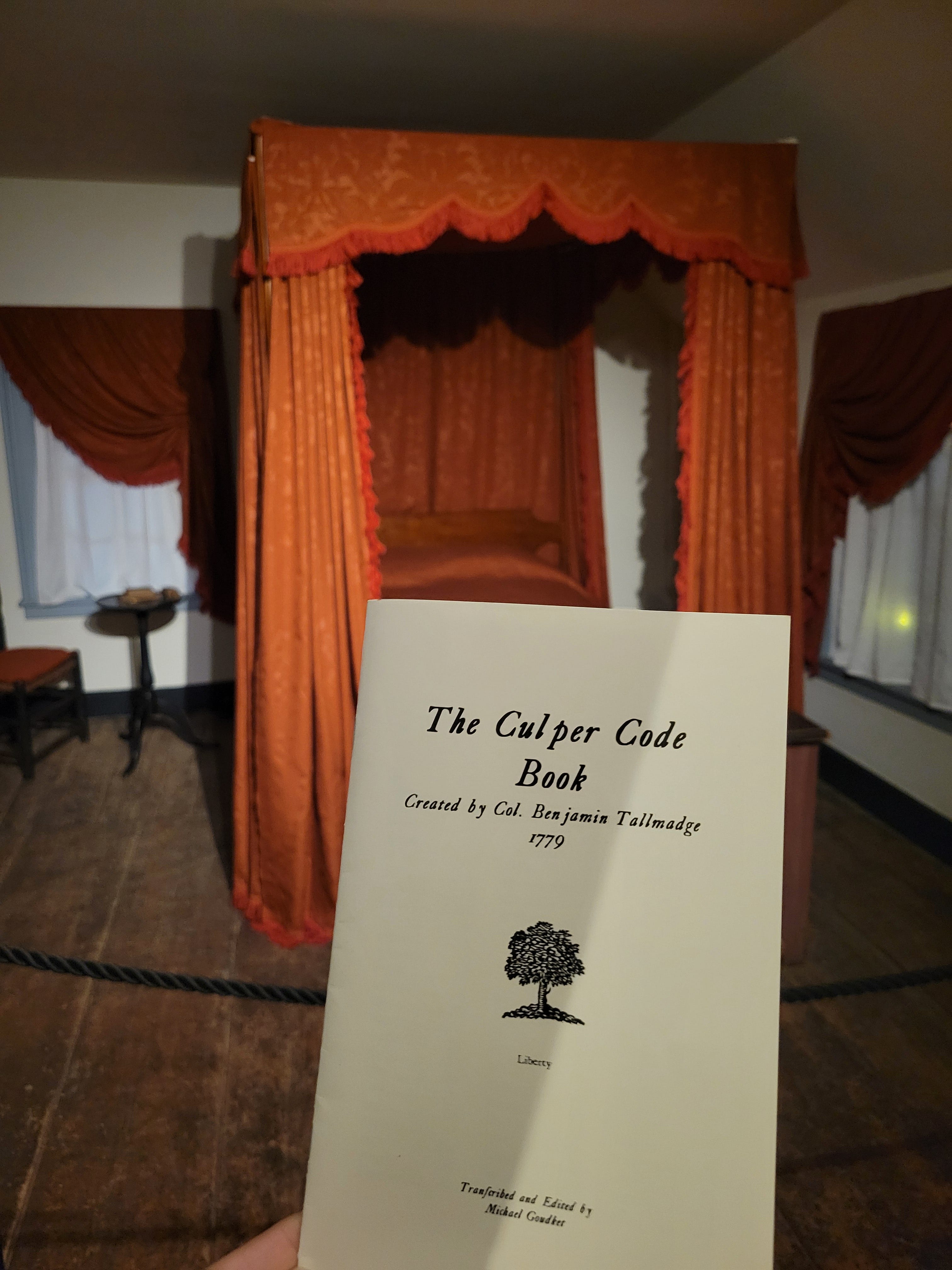
I’ve always been fascinated by the juxtaposition of ordinary people and extraordinary ones. More than that, I’m fascinated by how ordinary people become extraordinary.
I want to know what makes an otherwise ordinary person do, or say, that one thing that changes the course of their life forever.
And I’m particularly interested in the great equalizers: sex, love, lust, missed connections, missed chances, death, romance, gossip, nightlife, family life. The things that have been making human beings behave beautifully, terribly, foolishly, and irrationally since the beginning of time.
Numbers and figures? Not so much. Not at all, if I can avoid it.
I want to know what people whispered to each other after dinner. Who they loved when they weren’t supposed to. What they did after dark. What they regretted. Who they wrote to and never heard back from. What happened in the room before the moment that made it into the history book.
So, if you’ve ever wandered into an old bar and wished with all your heart that, just for a moment, you could see the star-crossed couple talking hurriedly over a candlelit table, or watch a young woman climb out her bedroom window to meet her girlfriends for a night of dancing in the 1920s, then you’re probably my kind of person.
Let’s learn together.
Love,
Stephanie
(Your History Madam)